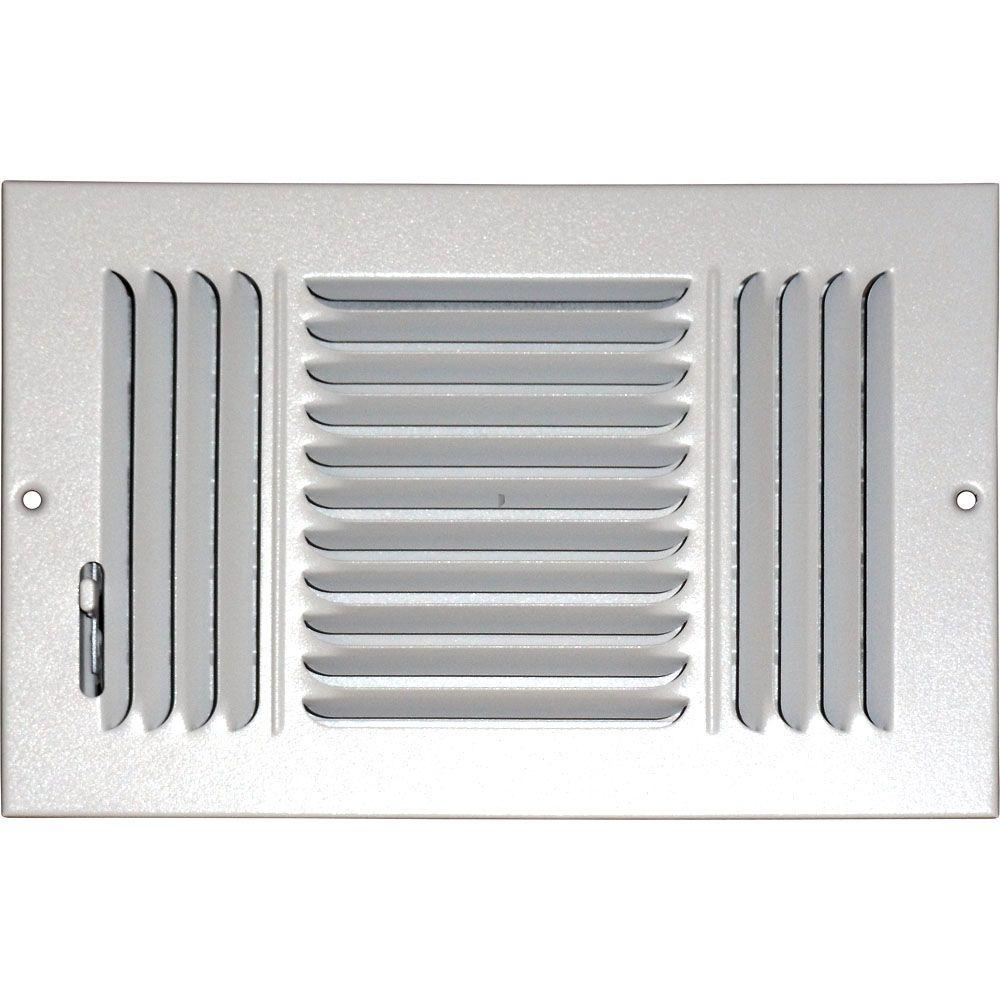
Accord ventilation white steel sidewall ceiling register duct opening.
Forced air ceiling registers.
Their placement is decided when your home is first built or when the duct work is being remodeled.
4 4 out of 5 stars 747.
This booster fan saves energy and money by boosting the existing airflow to a problem room.
In a warm climate where you need cooling most of the year ceiling registers are generally preferable.
Make sure the ceiling registers are oriented to move air down along exterior walls and windows.
The activent is a temperature controlled register vent cover that reduces heating and cooling costs by zoning your home.
Free shipping on eligible orders.
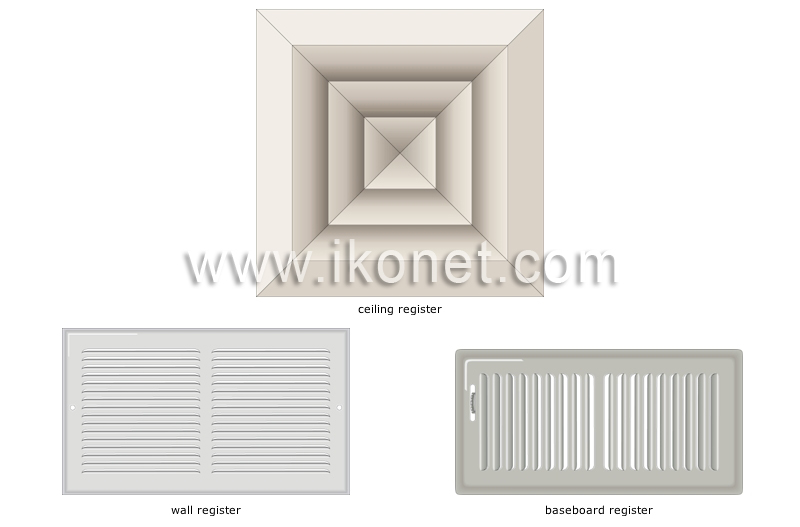
They can be floor ceiling or wall mounted.
Turbulent air has the perceived effect of doubling the actual velocity.
If the warm air blows directly on your head you will not be comfortable.
The suncourt flush fit register booster fan boosts heated or cooled air to a room to improve circulation and comfort.
Human comfort depends on warm feet and cool heads.
These can also be side wall ceiling or floor mounted.
As warm air rises cool air falls so the cool air from your ceiling registers will pass through your whole living space instead of pooling near the floor.
The flush fit register booster works with floor or wall registers measuring 4 x 10.
Improve comfort keeps room at set temperature eliminate overheated and overcooled rooms save electricity oil or gas works with most forced air heating cooling systems.
If you have a larger register the flush fit adaptor plate sold separately can assist in larger register sizes.
13 74 in x 5 77 in go with the airflow in your home with registers and grilles registers and grilles are essential in regulating and directing the airflow to and from the hvac unit in your home keeping your living space comfortable while also concealing the duct work.
In geographic locations where heating needs predominate however the story changes putting floor vents in the spotlight.
Registers are the vent openings that your hvac system uses.
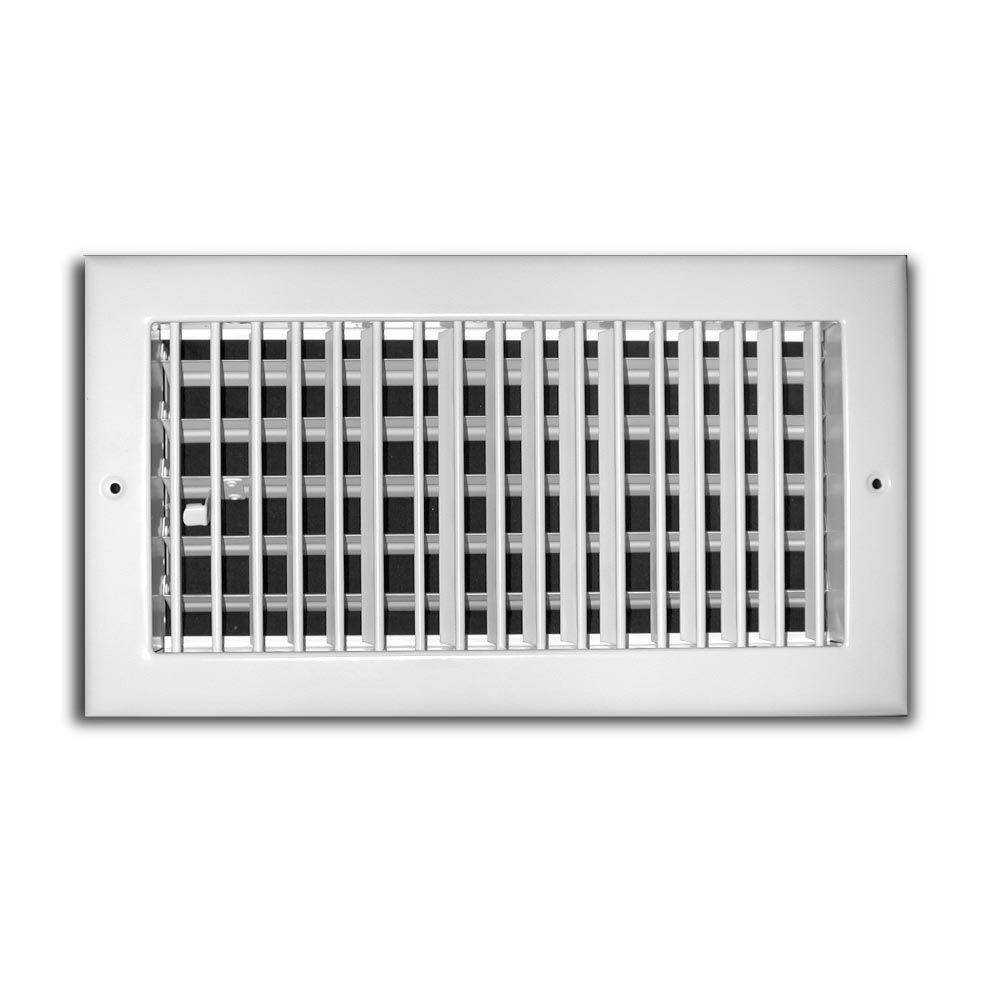
Registers are equipped with a damper which opens or closes to control the flow of heated or cooled air that is supplied to a room.
Grilles are used as return air inlets to ducts but do not come equipped with a damper.